France
SNCF Voyageurs
The TGV network radiates from Paris; TGV INOUI is the premium brand, OUIGO the low-cost one. Don’t miss the Train des Merveilles from Nice and the Little Yellow Train in the Pyrenees.
sncf-connect.com ↗The Reelroundupmatparad handbook
Everything between the booking screen and the buffer stop: how to plan, which operators run where, what grand stations offer, how passes work, how to behave on board and which feats of engineering you will cross along the way.
Planning
Five stops from first idea to confirmed seat — follow the line in order and most of the hard work is done.
Start with the high-speed spines — Paris–Lyon–Marseille, Madrid–Barcelona, Milan–Rome, Cologne–Frankfurt — then add scenic branches for the slow, beautiful days.
Most operators open sales 3–6 months ahead (SNCF and Trenitalia up to ~4 months, Eurostar ~6+ months). Cheapest fares go first.
Compulsory on TGV, Frecciarossa, AVE, Eurostar, panoramic and night trains; optional on most German ICE and Swiss services.
Allow 30–60 minutes for same-station changes, and much longer when crossing cities such as Paris, London or Brussels between terminals.
Use the operator’s own site or app. Through-tickets protect connections under EU passenger rights rules when sold as a single contract.
Fast trains between cities, slow trains through landscapes. Book the high-speed legs early for the best fares, and keep scenic regional days flexible — they rarely need a reservation.
Rail passes
Passes cover the fare but often not compulsory seat reservations. Always compare with early-bird point-to-point prices.
Pass prices, validity and reservation fees change regularly — always check the official pass website before buying.
Country guides
Who runs the trains, what the flagships are called and where to find official timetables — grouped by region.
SNCF Voyageurs
The TGV network radiates from Paris; TGV INOUI is the premium brand, OUIGO the low-cost one. Don’t miss the Train des Merveilles from Nice and the Little Yellow Train in the Pyrenees.
sncf-connect.com ↗SNCB/NMBS
Dense, inexpensive network; Brussels–Bruges–Ghent day trips are easy. Antwerp Centraal is one of the world’s most beautiful stations.
belgiantrain.be ↗NS
Frequent trains with tap-in/tap-out contactless payment on domestic routes. Amsterdam Centraal is the gateway to Eurostar and ICE services.
ns.nl ↗National Rail · Eurostar
Iconic lines include the West Highland Line, the Settle–Carlisle and the overnight Caledonian Sleeper from London to Scotland.
nationalrail.co.uk ↗Deutsche Bahn (DB)
ICE trains link every major city; the Middle Rhine between Koblenz and Mainz is the classic scenic stretch. ICE seat reservations are optional but recommended.
bahn.com ↗SBB CFF FFS · RhB · MGB
Clockface timetables and seamless connections. Home to the Glacier, Bernina and GoldenPass panoramic routes and the 57 km Gotthard Base Tunnel.
sbb.ch ↗ÖBB · WESTbahn
Railjets cross the Alps; ÖBB Nightjets connect Vienna with Hamburg, Rome, Venice, Paris and more. Ride the UNESCO Semmering Railway by day.
oebb.at ↗České dráhy · RegioJet · Leo Express
Excellent value. The Elbe valley route from Prague to Dresden is a highlight of Central European rail.
cd.cz ↗MÁV-START
Budapest’s three grand termini fan out across the plains; trains around Lake Balaton are a summer favourite. Visit the Children’s Railway in the Buda Hills.
mavcsoport.hu ↗PKP Intercity · Polregio
Express Intercity Premium Pendolinos link Warsaw, Kraków, Gdańsk and Wrocław at up to 200 km/h.
intercity.pl ↗Vy · SJ Norge · Go-Ahead Nordic
The Bergen, Dovre, Rauma and Nordland lines rank among Europe’s most scenic. Entur’s journey planner covers all operators.
entur.no ↗SJ · Snälltåget · Vy
Fast X 2000/X 3000 trains link Stockholm, Gothenburg and Malmö; the Arctic night train runs north to Abisko and Narvik.
sj.se ↗DSB
Compact and frequent. Cross the Great Belt Bridge or the Øresund Bridge to Malmö; Copenhagen Central is a handsome 1911 terminus.
dsb.dk ↗VR
Broad-gauge Pendolinos and double-deck InterCitys; the Santa Claus Express sleeper runs from Helsinki to Rovaniemi in Lapland.
vr.fi ↗Trenitalia · Italo
Frecciarossa and Italo compete on high-speed routes; regional trains serve the Cinque Terre and Amalfi-adjacent coastlines. Validate paper regional tickets.
trenitalia.com ↗Renfe · iryo · OUIGO España
Europe’s largest high-speed network by length. Madrid–Barcelona takes about 2h30; security scanning applies at AVE stations.
renfe.com ↗CP – Comboios de Portugal
Alfa Pendular trains connect Lisbon and Porto; the Douro and Sintra lines are short, scenic and cheap.
cp.pt ↗Station guides
Facilities, transport connections and architectural significance — so you know where you are the moment you step off.
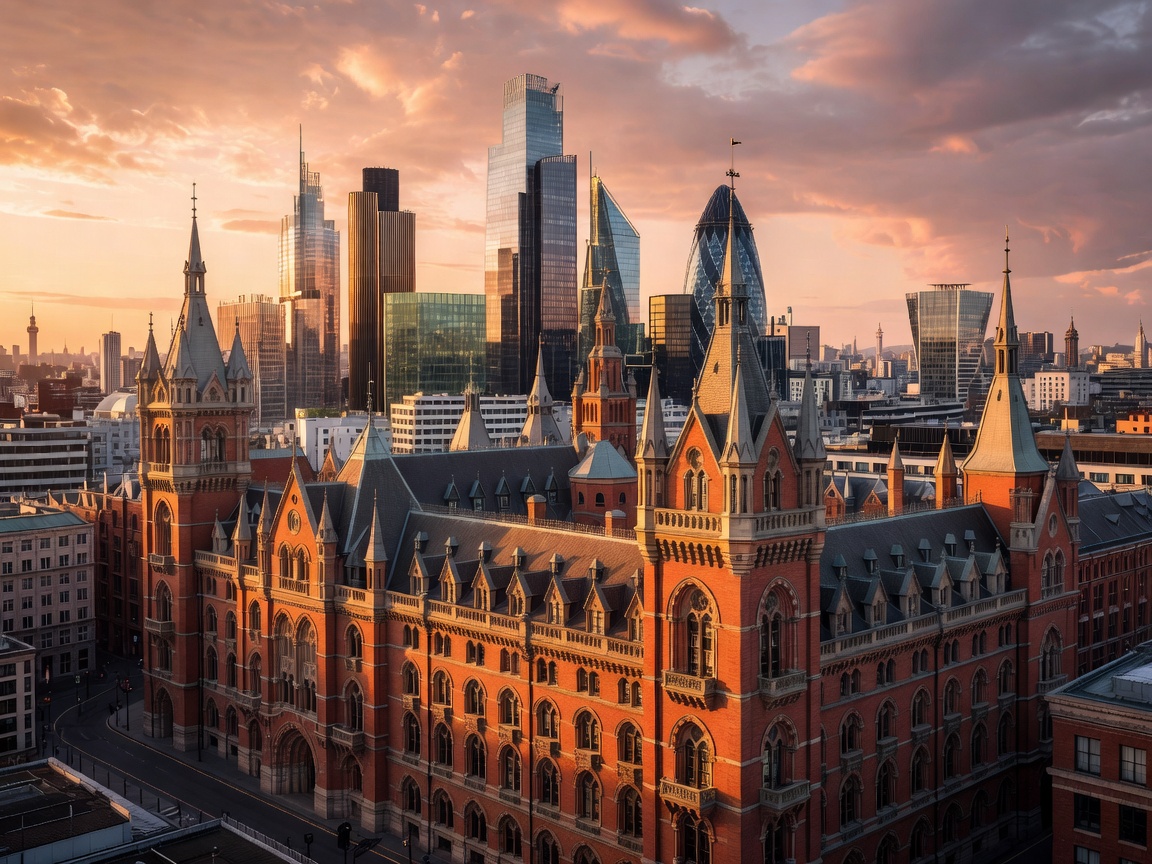
William Barlow’s 1868 train shed was the largest single-span roof in the world when built. Rescued from demolition and restored in 2007, it is now home to Eurostar.
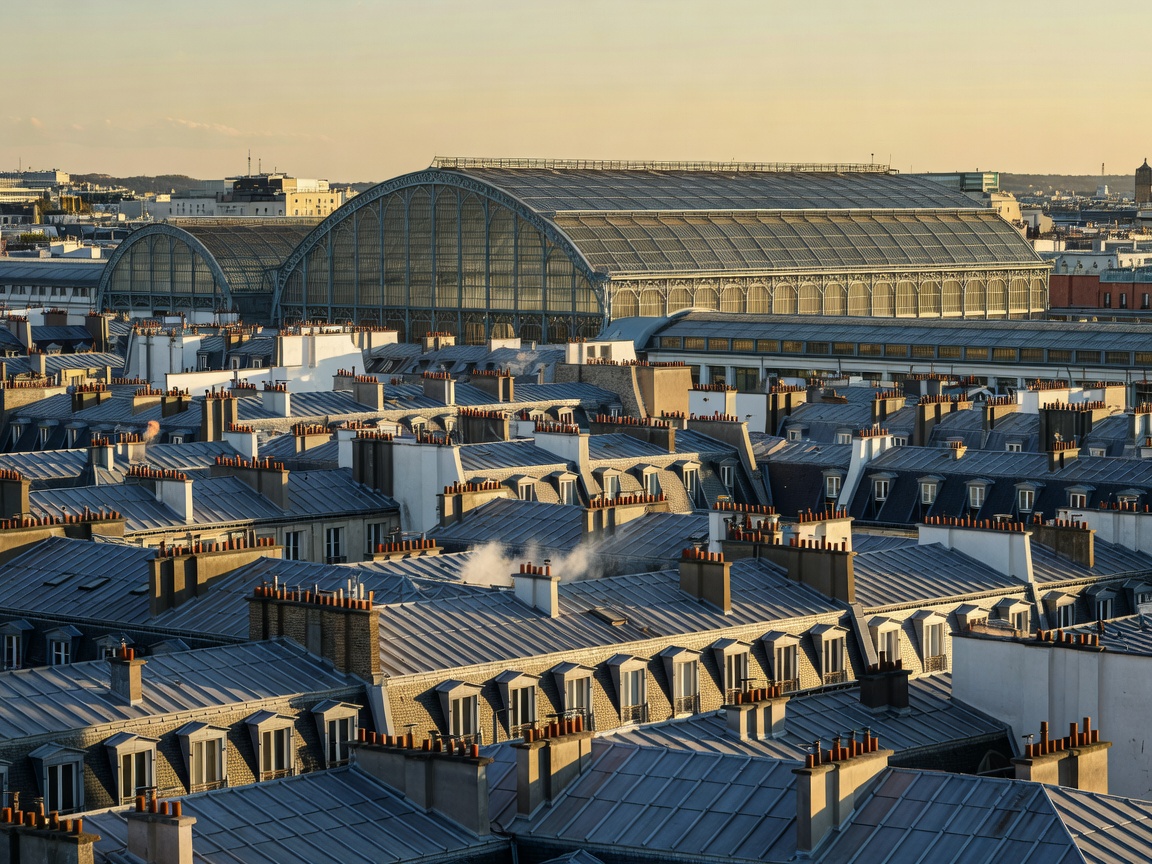
Jacques-Ignace Hittorff’s 1860s façade carries 23 statues representing cities served by the Chemin de fer du Nord. It is Europe’s busiest station by passenger numbers.
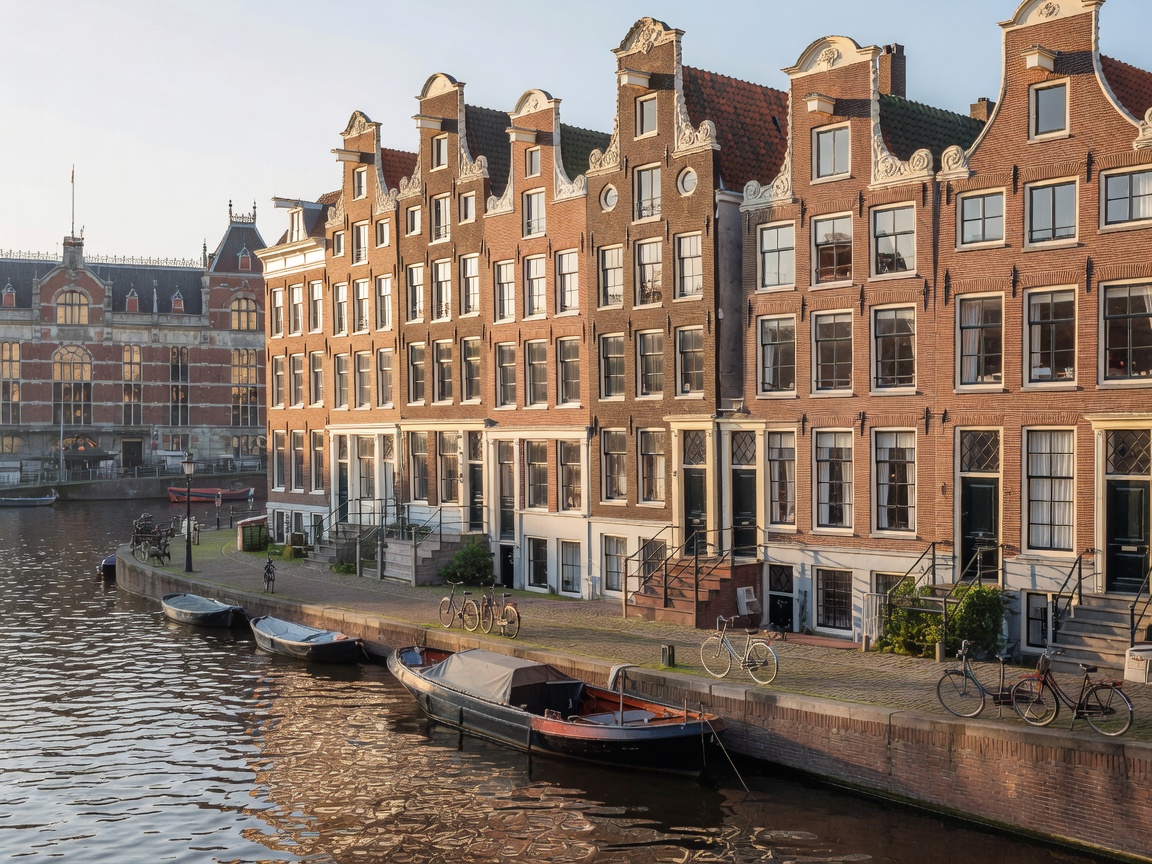
Designed by Pierre Cuypers (also architect of the Rijksmuseum) and opened in 1889, it stands on three artificial islands supported by thousands of wooden piles.
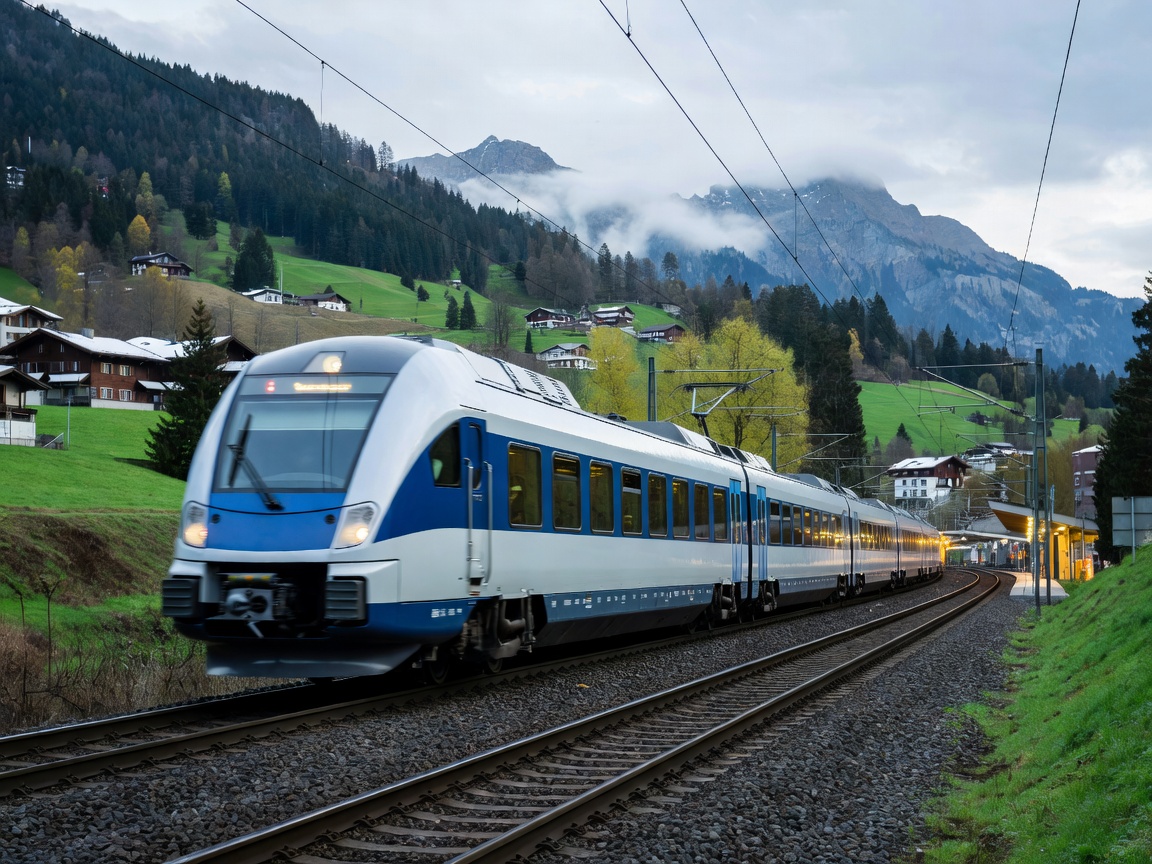
Switzerland’s busiest station combines an 1871 neo-Renaissance hall with modern underground through-platforms. The hall hosts markets and events year-round.
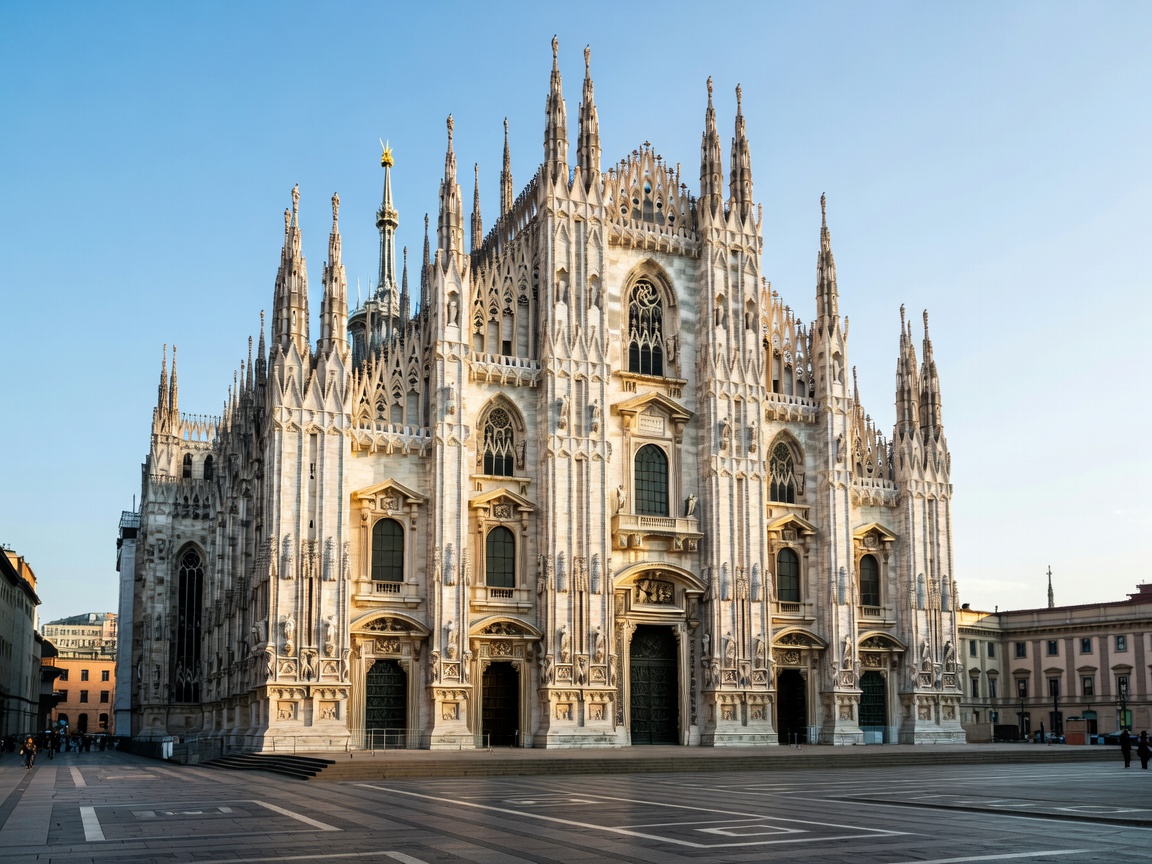
Opened in 1931, this monumental terminus mixes Art Deco and Liberty styles under five steel-and-glass train sheds — one of Europe’s most theatrical arrivals.
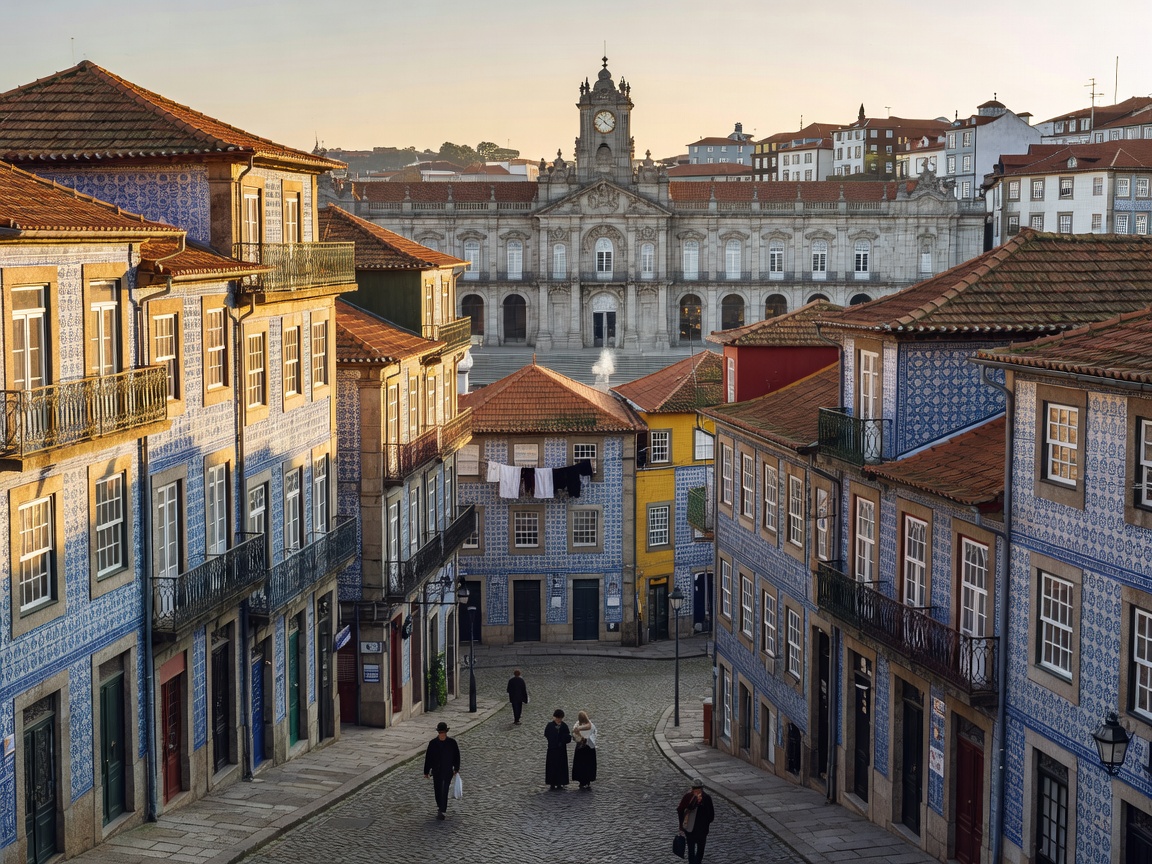
Its atrium is lined with roughly 20,000 hand-painted azulejo tiles by Jorge Colaço (1905–1916), depicting battles, royal history and rural life.
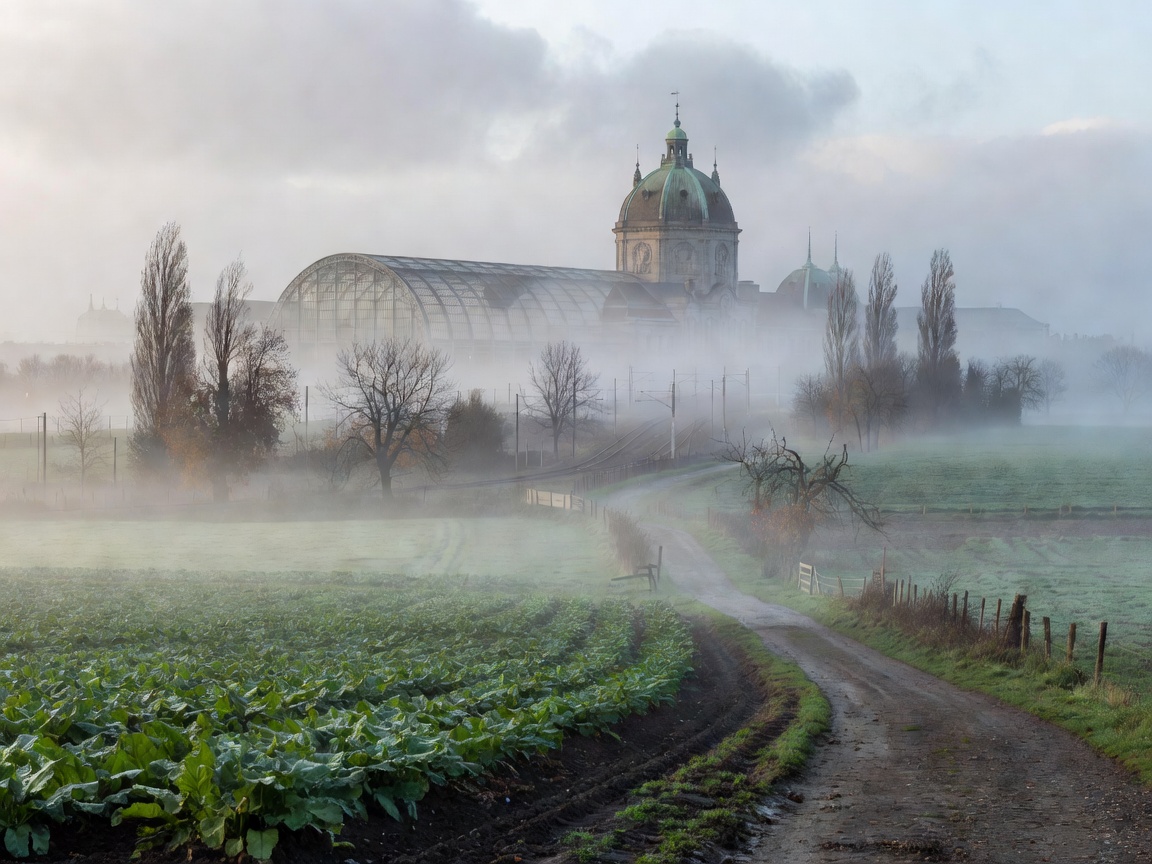
Nicknamed the “railway cathedral”, Louis Delacenserie’s 1905 station has a soaring dome and marble hall; a 2007 redesign added four levels of through platforms.
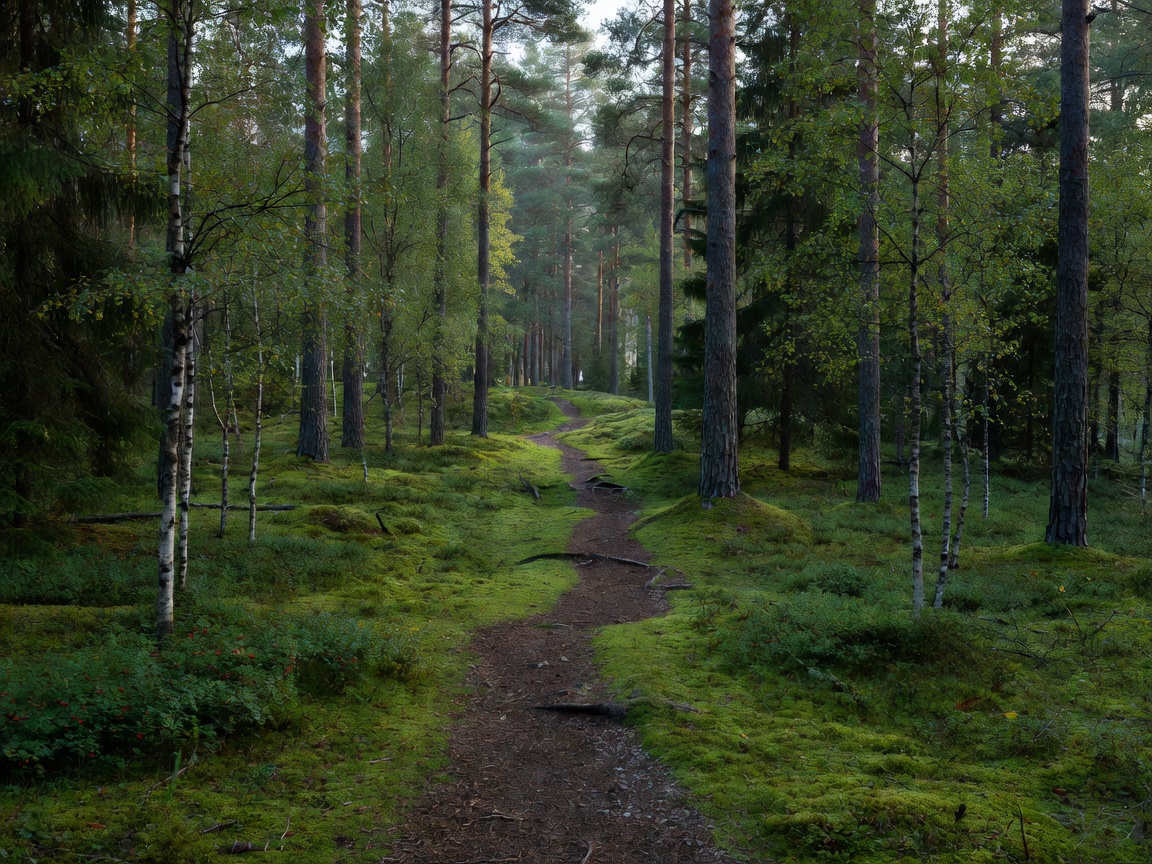
Eliel Saarinen’s granite masterpiece (completed 1919) is famed for its clock tower and the four “Lantern Carriers” statues flanking the entrance.
Practicalities
The small details that make a long day on the rails comfortable for everyone.
Most European trains have no weight limit — you must simply be able to lift your bags. Store large cases in end-of-coach racks, small bags overhead. Swiss and Austrian railways offer luggage forwarding.
Under EU rules, assistance is free when booked in advance (typically 24–48 hours). Look for operator services such as SNCF Accès Plus, DB Mobility Service Centre and Trenitalia’s Sala Blu.
Children under 4–6 usually ride free; many operators offer family compartments or play areas (Norway, Austria, Switzerland). Reserve seats together on busy routes.
First class typically means wider seats, fewer per row and quieter coaches. On sleepers, couchettes are shared bunks; sleeper cabins are private with bedding.
Regional trains usually take bikes with a supplement; high-speed trains often require bagged bikes or limited reserved spaces.
Cross-border
What to expect when your train crosses a frontier — or when you need to cross a city to catch the next one.
| Situation | What to expect | Advice |
|---|---|---|
| Within Schengen | No routine passport checks, but spot checks happen | Always carry a passport or national ID card |
| UK ↔ Continent | Juxtaposed passport controls before boarding Eurostar | Arrive 60–90 minutes early; check EES requirements |
| Switzerland | In Schengen but outside the EU customs union | Observe duty-free allowances on goods |
| Changing terminals | Paris, London, Brussels and Budapest use multiple stations | Allow 60–90 minutes by metro or taxi |
| Missed connection | Single-contract through-tickets are protected under EU rail passenger rights | Keep your ticket and ask staff to endorse the delay |
Railway etiquette
Look for Ruhebereich, Zone silence or Area Silenzio — no calls, low voices.
Let passengers alight before boarding, and keep doorways clear.
Bags belong on racks, not on seats, especially on busy services.
Reserved seats show a display or paper card with the reserved section.
Paper regional tickets in Italy and some other countries must be stamped before boarding.
Ticketing terminology
Ten terms that turn a confusing departure board into a readable timetable.
Railway history & engineering
A timeline of tunnels, bridges and mountain lines — from the first true Alpine railway to the world’s longest rail tunnel.
Europe’s first true mountain railway; UNESCO World Heritage since 1998.
Cantilever icon over the Firth of Forth; UNESCO-listed in 2015.
65 m high limestone curve leading straight into a tunnel on the Albula line.
50.45 km long, with the longest undersea section of any tunnel in the world.
Combined road-rail bridge and tunnel linking Copenhagen and Malmö.
At 57.1 km, the world’s longest railway tunnel.
Next stop
Open full specifications for eight iconic European routes — stops, seat classes, luggage, accessibility and links to each operator’s official website.